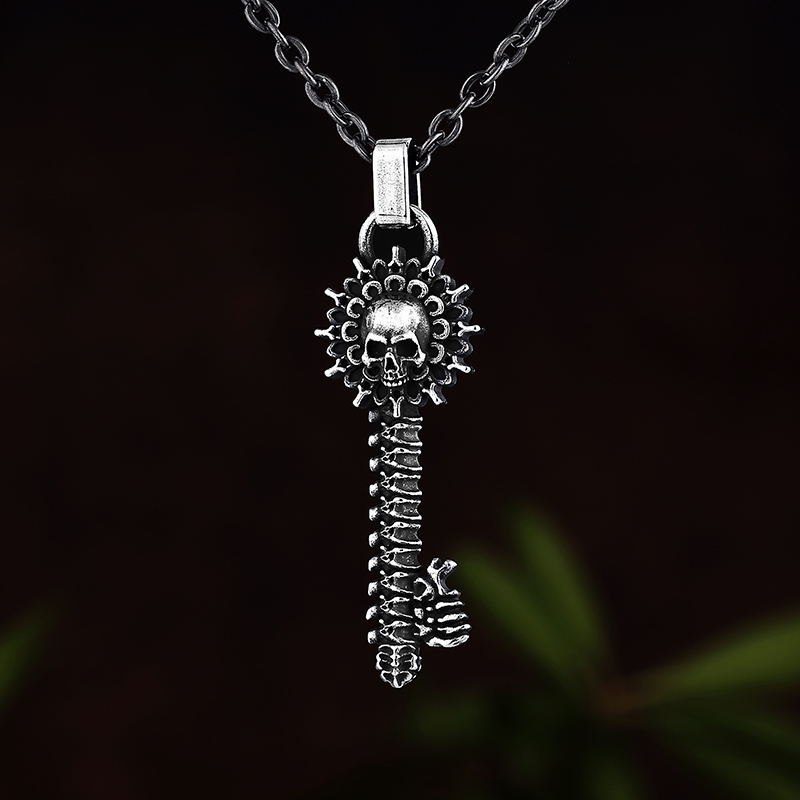
I recently experienced a frustrating moment that I think many jewelry lovers can relate to. I had just treated myself to a beautiful new necklace, envisioning myself wearing it for years to come. Imagine my disappointment when, just a day after I bought it, I noticed several distinct scratches. My beautiful new piece already looked worn! This immediate jewelry damage left me utterly bewildered and questioning if I was doing something wrong, or if this was just an unfortunate reality of owning delicate items.
This experience really got me thinking. I remembered a time when I was at a high-end flagship store, getting another necklace resized. I distinctly recalled feeling frustrated that they didn't seem to offer enough simple, classic gold pieces, instead pushing more elaborate or trendy designs. It made me wonder if the industry, in its quest for unique aesthetics, sometimes overlooked the practicalities of daily wear. This recent scratch incident only amplified those thoughts. Was this quick damage normal? Was I alone in this?
Determined to find answers, I started digging. I spoke to fellow jewelry enthusiasts, read countless articles, and pieced together a picture of what was really going on. What I discovered was a real eye-opener, especially concerning sterling silver, which many of my favorite pieces are made from. It turns out, my experience was far from unique.
I learned that keeping a large, flat sterling silver surface at a high polish is incredibly difficult. That beautiful, mirror-like shine we all love? It's a magnet for scratches. Every tiny bump, rub, or even just contact with clothing can leave a mark, and on a highly polished, flat surface, those scratches show up incredibly obviously. It's not just me being clumsy; it's a fundamental property of the material.
I also came to understand that sterling silver is simply a very soft metal. Its inherent softness means that almost anything can scratch it. Even seemingly innocuous activities like typing, carrying a bag, or brushing against a wall can leave tiny imperfections. This explained why my new necklace, despite my careful handling, had succumbed to damage so quickly.
It was comforting, in a way, to find out that this problem is fairly typical for silver. I heard from others who had similar issues, even with specific pendant designs. The consensus was clear: keeping sterling silver in a pristine, high-gloss condition is almost impossible if you actually wear it regularly. It's a material meant to be lived in, and part of its charm, some argue, is the patina of wear it develops over time. But for me, I wanted that initial shine to last!
One person even shared that they have to polish their silver necklace practically every time they wear it to keep it from looking scratched. They assured me it’s "super normal" for silver to show these marks so quickly. This insight helped me adjust my expectations, but it didn't solve my desire for more durable jewelry.
Beyond scratches, I also noticed that some of my silver pieces would tarnish surprisingly fast. That dull, darkened look would appear seemingly overnight. Through my research, I found a crucial piece of information: not all silver jewelry is treated equally. I learned that many high-end brands, surprisingly, do not rhodium plate their silver. Rhodium plating is a process where a thin layer of rhodium, a precious metal, is applied to sterling silver. This layer acts as a protective barrier, preventing tarnishing and adding a brilliant, white shine.
The absence of rhodium plating explained why some of my silver necklaces tarnished so quickly. Without that protective layer, the silver is directly exposed to air, moisture, and skin oils, all of which accelerate the tarnishing process. This discovery was a game-changer for how I now approach buying and caring for my silver jewelry.
After these frustrating discoveries, I realized I needed a more robust solution for everyday wear, especially for bolder, statement pieces that I wanted to wear without constant worry. I started looking for alternatives that were more durable, less prone to scratching, and required less fuss than my delicate silver pieces. That's when I stumbled upon stainless steel jewelry, and specifically, I found this amazing Punk 2022 New Dropshipping Gothic Stainless Steel Necklace Men Musical Key Pendant With Skull Rock Accessories pendant with engrave at SumsFashion. It’s been a game-changer for me.
What immediately drew me to this piece, beyond its cool gothic design featuring a musical key and a skull, was its material: stainless steel. Unlike sterling silver, stainless steel is renowned for its incredible durability. It resists scratches, tarnishing, and corrosion much better, making it ideal for daily wear without constant worry. I love that I can wear it to work, out with friends, or even during light activities, and it still looks fantastic. The option for engraving also adds a unique, personal touch that I really appreciate.
This experience highlighted the importance of understanding jewelry materials. While I still adore my sterling silver pieces for special occasions and certain aesthetics, for my more active lifestyle and desire for low-maintenance style, stainless steel has become my preferred choice. It's given me the freedom to enjoy my jewelry without the constant stress of potential necklace damage.
Based on my own experiences and extensive research, I’ve put together some practical tips to help you prevent jewelry damage, keep your pieces looking great, and make informed choices about your next purchase. These tips cover everything from daily wear to long-term storage.